
Up to $1M Projected
Annual Utility Savings


Project Details


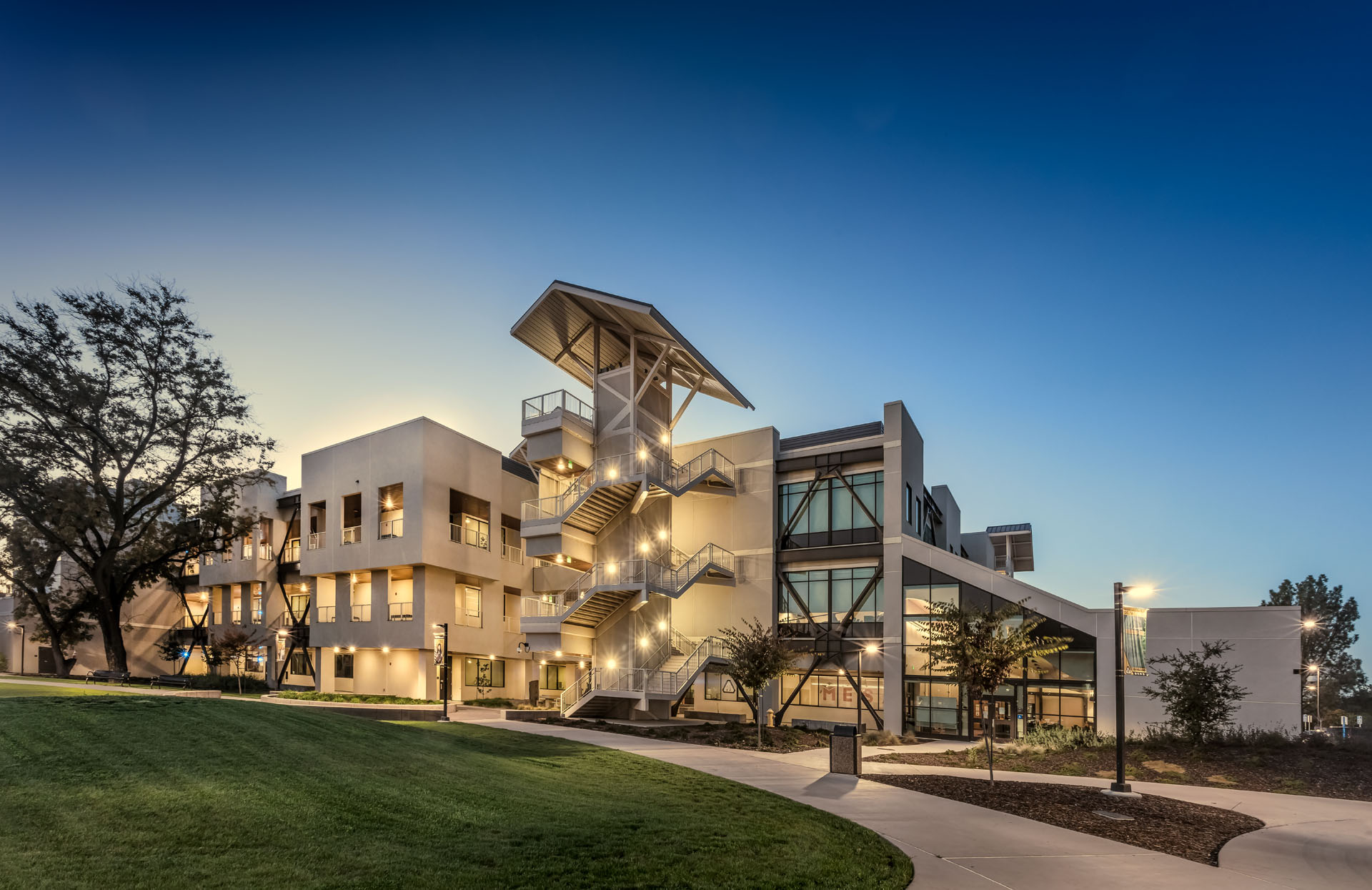
Founded in 1935 as Stockton Junior College, Delta College serves a district that includes all of San Joaquin County and portions of Alameda, Calaveras, Sacramento, and Solano counties. Enrollment typically ranges from 18,000 to 21,000 students, and the college serves about 24,000 students annually across its geographic area, with roughly 45% of enrolled students attending full time. Supporting a campus and community of this scale requires infrastructure that can meet today’s needs while preparing for the future.
San Joaquin Delta Community College had a clear vision: modernize campus infrastructure, reduce energy costs, and meet the California Community Colleges Chancellor’s Office Climate Action and Sustainability Goals; which are designed to move California community colleges toward lower emissions, greater use of renewable energy, improved energy efficiency, and cleaner transportation. Delta College’s project supports that direction through on-site solar generation, battery storage, EV charging, and HVAC efficiency improvements.
But achieving those goals requires more than installing renewable energy. The college needed a comprehensive solution that would strengthen aging infrastructure while minimizing disruption for students, faculty, and staff. That challenge is especially significant on a Stockton campus more than 50 years old, where the broader Energy Efficiency Project also includes parking lot repairs and HVAC upgrades. With energy costs continuing to rise, every dollar saved on utilities represents another dollar that can be reinvested where it matters most—in classrooms, academic programs, and the student experience.
Having built a longstanding relationship with Delta College, SitelogIQ understood its priorities and brought proven expertise in planning and delivering large-scale solar, battery storage, EV charging, and broader campus infrastructure improvements.
SitelogIQ is partnering with Delta College to design and deliver a campus-wide energy efficiency program intended to improve operational efficiency, lower utility costs, and advance the college’s long-term sustainability strategy. The project officially broke ground on June 30, 2026, marking the first project to launch under Measure K and a major milestone for a campus more than 50 years old. Measure K is only the second bond measure passed since the college was constructed. Construction is now proceeding in phases, with Delta College targeting completion in 2028 or 2029. SitelogIQ continues to serve as the lead contractor and partner through planning and construction.
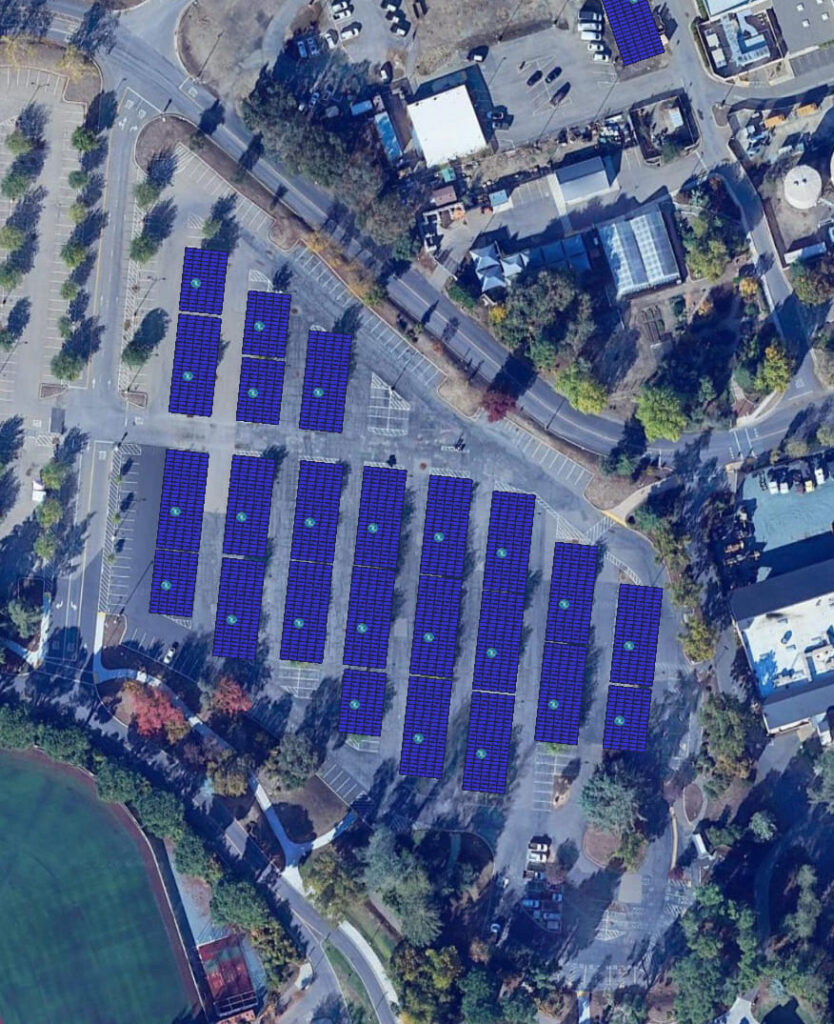
With construction underway, Delta College is positioned to realize benefits that extend far beyond new energy infrastructure. Once completed, the project is expected to significantly reduce utility costs while making measurable progress toward the Chancellor’s Office climate targets. The planned on-site renewable generation is expected to serve 54% of campus electrical load—surpassing the system’s 2030 goal of 50% renewable energy—while the HVAC and storage improvements support lower energy use and emissions and the EV charging network advances the transportation goals.
By combining deep experience in solar, battery storage, EV charging infrastructure, HVAC improvements, parking upgrades, and integrated design-build delivery, SitelogIQ is serving as a single partner for a complex campus-wide transformation now moving through construction. That integrated model is especially well suited to an active college campus: it allows Delta College to coordinate interdependent energy and infrastructure scopes, phase work around campus operations, reduce delivery risk, and maintain one point of accountability from design through construction. Rather than treating solar, storage, charging, HVAC, and site work as separate projects, the college can advance them as one coordinated investment tied to long-term operating savings, resiliency, and systemwide sustainability goals.
It’s about reducing operating costs, improving the student experience, creating a more sustainable campus.