7 min. read


Written by

About the Author

Across the country, energy costs are climbing and many organizations are feeling the pressure.
The U.S. Energy Information Administration reports an average price increase of 21% for commercial and 18% for industrial customers over the last decade. Across the U.S., these increases are due to utilities raising rates to cover infrastructure upgrades, grid modernization, and state-level energy standards. In many regions, peak demand charges are also increasing, which can dramatically raise monthly bills for businesses with high electricity use.
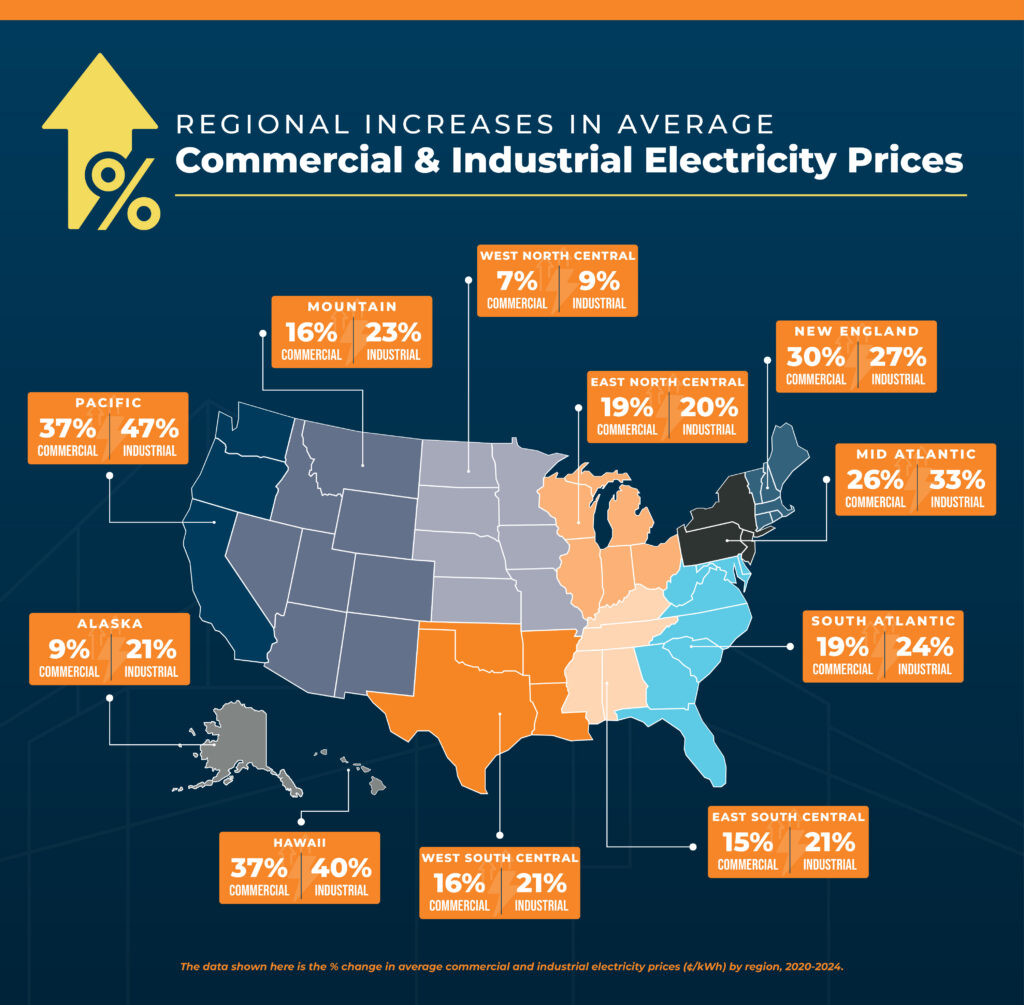
For commercial leaders, that means energy costs are becoming difficult to predict and even harder to control.
Solar and other renewable energy solutions have become one of the most reliable ways to stabilize energy spending and reduce reliance on the grid. Yet many organizations hesitate to move forward for one simple reason: upfront costs.
The good news is that paying cash for a solar system is no longer the only option. Today’s financing models allow businesses to adopt solar with little or no upfront investment while still capturing meaningful savings.
Why Some Organizations Choose Direct Ownership
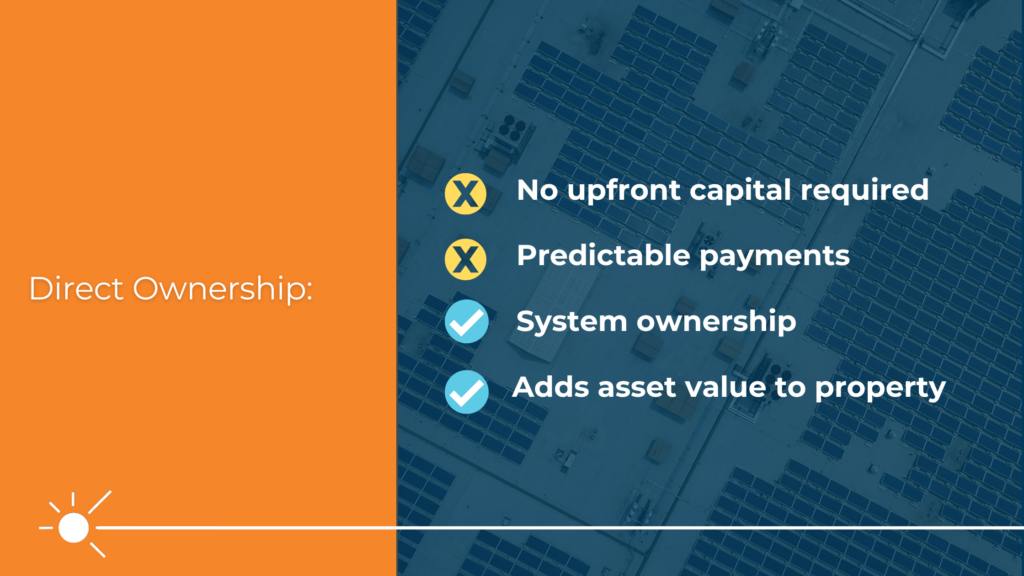
When a business owns its solar energy system, it captures the full financial return from the project.
Direct ownership allows organizations to claim federal tax incentives such as the Investment Tax Credit and accelerated depreciation, along with any available state or utility incentives. Over time, those benefits can significantly reduce the overall cost of the system while delivering long-term energy savings.
Direct ownership also gives organizations full control over the system and how it operates. For companies with available capital and a long-term outlook, this option can deliver the greatest lifetime savings.
But many organizations prefer to keep capital available for core business investments. That’s where alternative financing models come in.
Power Purchase Agreements
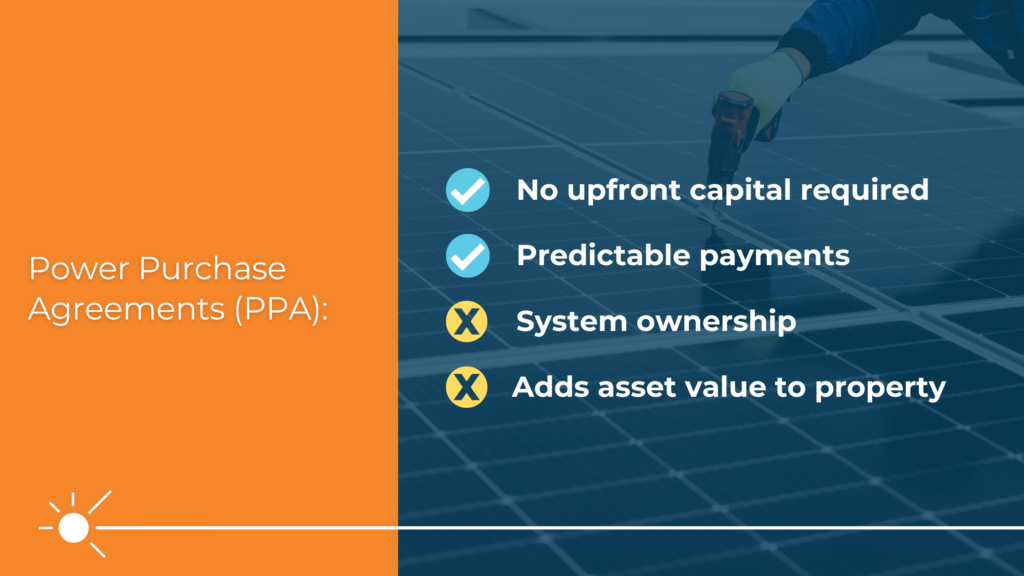
A Power Purchase Agreement (PPA) is one of the most common ways commercial organizations install solar without upfront costs.
In this model, a third-party investor owns and operates the solar system installed at your facility. Your organization simply purchases the electricity it produces. Instead of paying for the equipment itself, you pay for the energy generated by the system, often at a fixed rate that is lower than your current utility price.
Because the provider owns the system, they also claim the available incentives such as tax credits, rebates, and renewable energy credits. Those incentives help lower the price offered to the customer.
PPA contracts typically run for about 20–25 years. At the end of the agreement, organizations often have the option to:
- Extend the agreement
- Purchase the system
- Have the equipment removed
For many businesses, a PPA offers a simple way to reduce energy costs without adding operational responsibilities.
Operating Leases
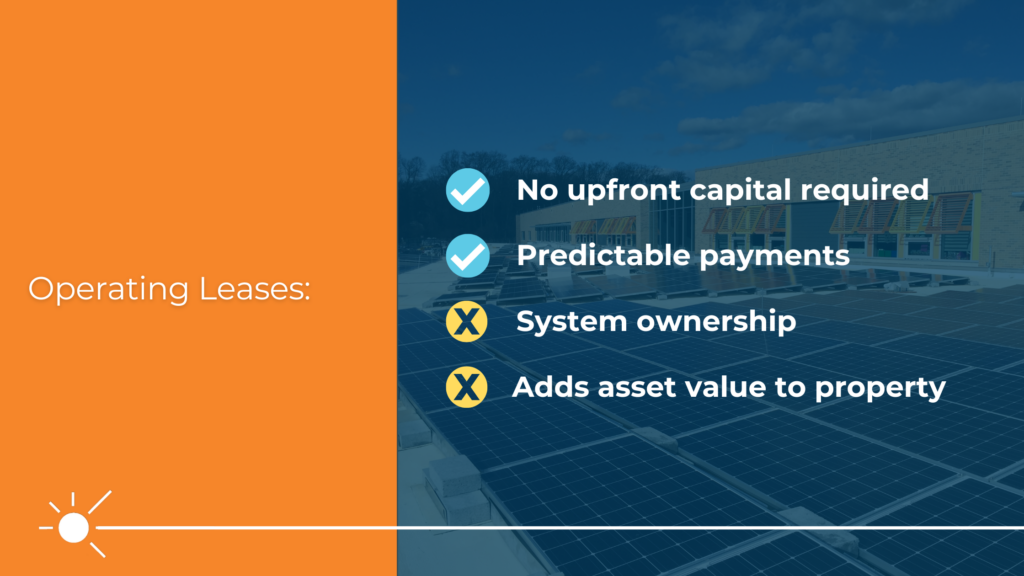
Operating leases share several similarities with PPAs, but the payment structure works differently. Instead of paying for the electricity produced, the customer pays a fixed monthly lease payment for the solar equipment.
Key characteristics of operating leases include:
- Fixed monthly payments
- No large upfront capital investment
- Third party typically receives tax incentives
- Immediate reduction in utility costs
Because the payment structure is fixed, organizations often find operating leases easier to budget than performance-based energy pricing.
Similarly to PPAS, at the end of the lease term, organizations may have the option to renew, purchase the system, or replace the current agreement with a new one.
Capital Leases
Capital leases operate differently from both PPAs and operating leases. In many ways, they resemble traditional financing.
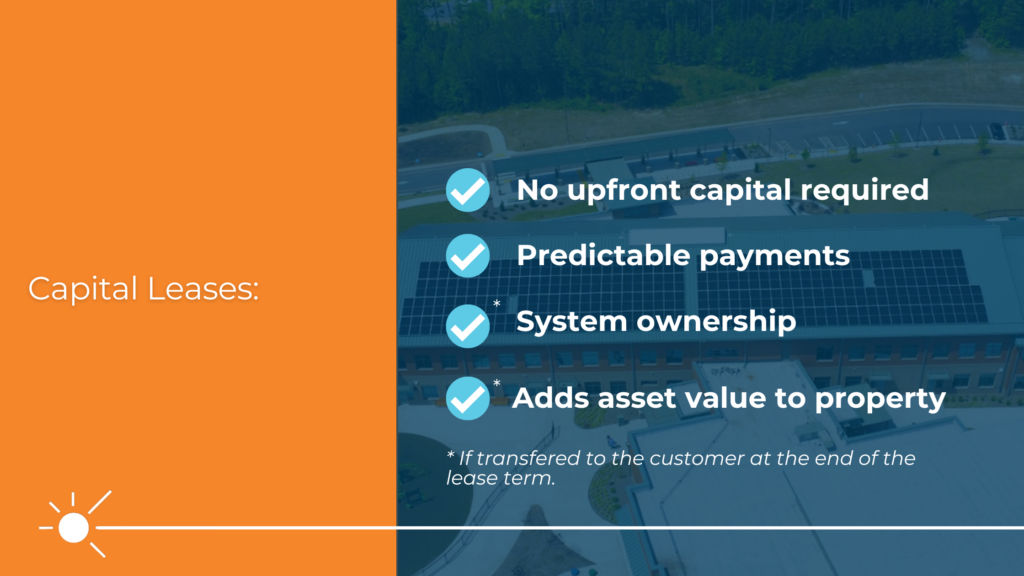
Under this model, the organization leasing the solar equipment is often treated as the economic owner of the asset. That means the business may be able to claim incentives such as tax credits and depreciation.
Capital leases also typically have shorter terms, often around seven to 10 years. Because the timeline is shorter, payments can be higher during the lease period.
However, the structure offers additional financial flexibility, including:
- Access to federal tax credits and depreciation
- Faster path to full ownership
- Flexible payment and recapitalization structures
- Ability to apply incentives toward principal balance
This model often appeals to organizations that want a no-upfront-cost solution but still want access to ownership-style financial benefits.
Hybrid Energy Financing Models
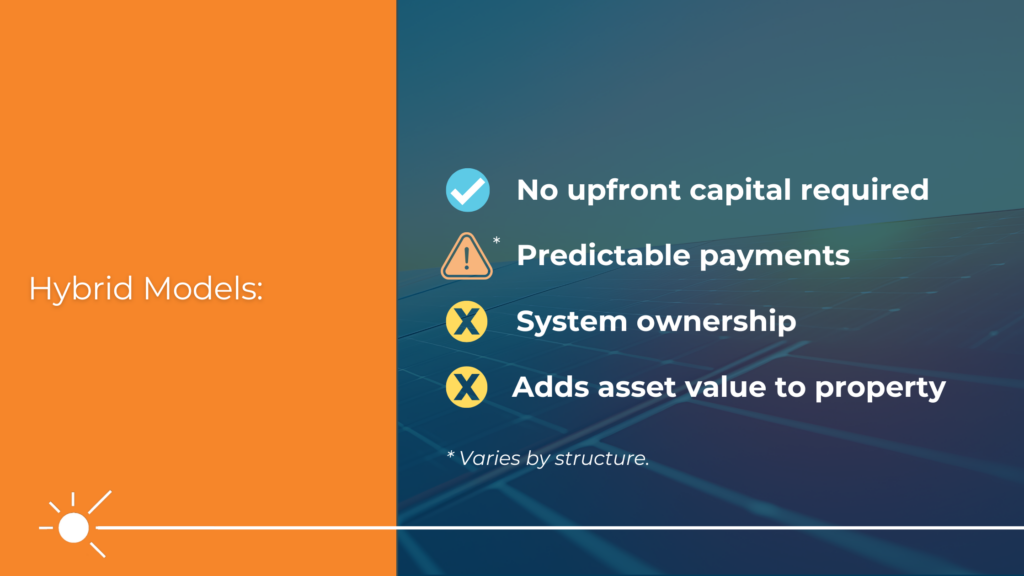
Beyond traditional PPAs and leases, hybrid structures are becoming more common as the energy market evolves. These models often combine performance-based incentives with shared financial benefits.
For example, shared savings agreements allow both the customer and provider to benefit from the system’s performance. If the project generates greater savings or revenue, both parties share the upside.
Another growing model is Energy-as-a-Service (EaaS). This structure expands the concept of a PPA beyond electricity. Instead of paying strictly for kilowatt-hours (kWh), customers may pay based on the value delivered, such as:
- Energy savings
- Heating or cooling output
- Lighting performance
- Water savings
Some hybrid models also integrate grid services like demand response. In these cases, a facility may temporarily reduce energy use or dispatch stored energy during periods of high grid stress (e.g. brownouts). When that happens, the customer can receive financial compensation that is shared with the service provider.
These arrangements are particularly valuable in wholesale power markets where grid demand spikes can drive higher prices.
Choosing the Right Financing Model
There is no single financing structure that works for every organization.
Some companies prioritize long-term financial returns and prefer direct ownership. Others focus on preserving capital and reducing operational complexity, making PPAs or leases a better fit.
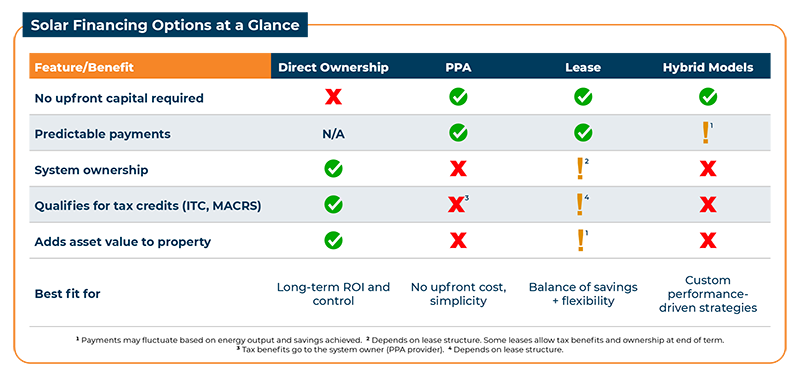
When evaluating solar financing options, organizations typically weigh factors such as:
- Available capital for infrastructure investments
- Appetite for tax incentives and depreciation benefits
- Risk tolerance related to system ownership
- Long-term energy cost strategy
With electricity prices continuing to rise and incentives still available, many commercial leaders are taking a closer look at solar.
Flexible financing options are making it easier than ever to move forward without placing strain on capital budgets. Organizations that explore these options today are often the ones best positioned to control their energy costs tomorrow.
Your One-Stop Partner for Solar Projects
SitelogIQ helps businesses navigate financing options and align funding strategies with project goals. We eliminate the administrative burden that comes along with energy transition financing. We have a team dedicated to identifying, applying, and managing incentives and rebates on your behalf. And with a list of vetted third-party financing partners, we ensure funding strategies are aligned with your organization’s risk appetite, capital availability, and project goals.
We’re also your consultant, contractor, and strategic partner for all steps of the solar project process. We’ve deployed 90+ megawatts of solar power to date, supporting customers from site assessments and engineering, through installation and incentive management.
Let’s chat about your energy transition goals and how you can take advantage of financing strategies that fit your organization’s goals.